Is My Garden Safe? How to Identify and Manage “Poisonous Plants”
Our comprehensive guide helps you identify poisonous garden plants and shares practical tips for creating a safe, non-toxic outdoor space for kids and pets.
From the windy hills of Tbilisi to the coastal climate of Adjara, discover why container-grown Italian Cypress guarantees zero transplant shock, thrives in Georgia’s native soils, and offers year-round planting flexibility.
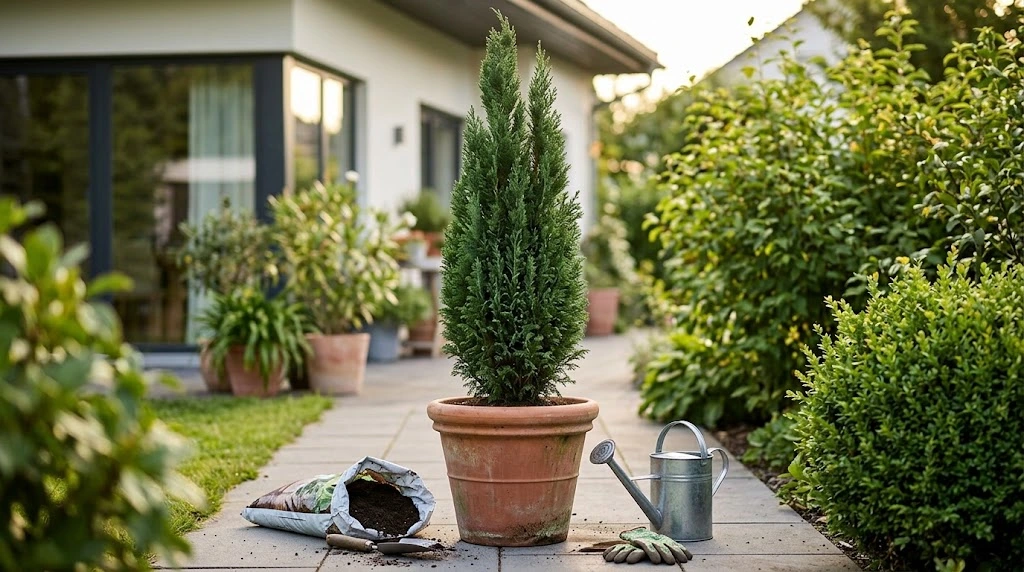
When designing a modern landscape, few architectural plants evoke the timeless elegance of the Italian Cypress (Cupressus sempervirens ‘Pyramidalis’). Known for its narrow, sky-pointing silhouette, lush dark-green foliage, and zero-lateral-spread habit, this iconic Mediterranean landmark is a top choice for creating grand entrances, privacy screens, and focal points in garden design.
However, a critical decision determines whether your cypress trees thrive for decades or struggle with transplant shock: how the tree was grown before planting.
While traditional root-ball or bare-root saplings remain common in nurseries, container-grown Cupressus Pyramidalis has emerged as the most reliable, cost-effective, and resilient choice for contemporary home gardens and commercial projects alike.
Container-grown trees are cultivated entirely inside heavy-duty, specialized pots throughout their developmental lifecycle.
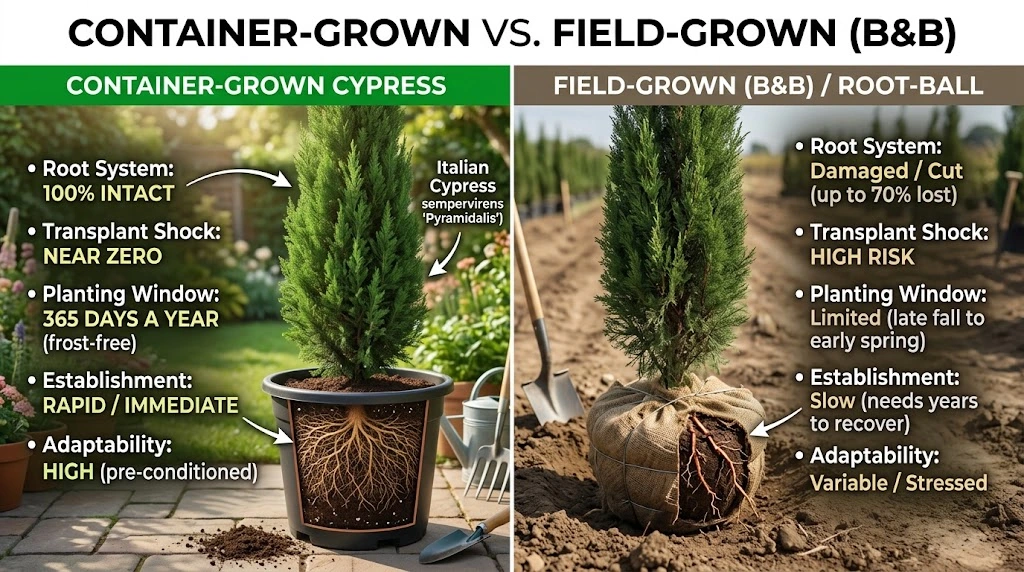
Unlike field-grown trees, which are dug up from the ground before sale, severing a large portion of their root structure, containerized cypress trees develop an intact, highly concentrated, and fully protected root ball within a controlled growing medium.
Investing in Italian Cypress is an investment in your property’s architectural profile.
However, field-harvested trees often lose up to 70% of their root mass before they ever reach your soil, leading to growth delays and costly plant loss.

When a field-grown cypress is harvested, up to 70% of its fine feeder roots (the delicate structures responsible for absorbing moisture and nutrients) are cut away. For Cupressus Pyramidalis, which relies on a dense fibrous root network, severing these roots creates severe stress, browning needles, or complete failure when exposed to hot summer temperatures in regions like Tbilisi or Kakheti.
Containerized cypress avoids this entirely. Because the root architecture develops unhindered inside the pot, planting is a seamless transition from container to garden bed. The tree retains 100% of its root mass, allowing it to draw water efficiently from day one and survive severe weather transitions without shock.
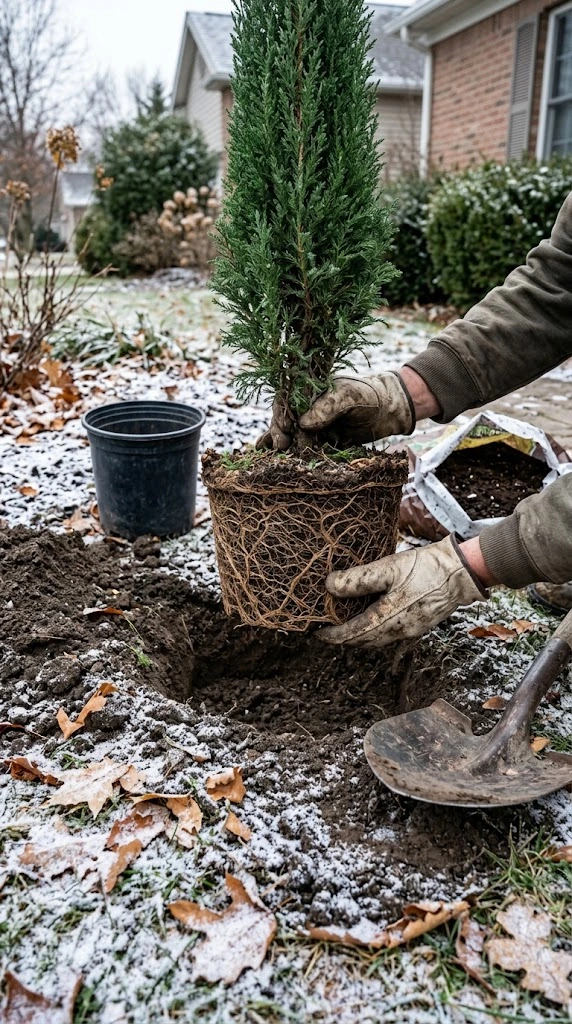
Traditional field-dug (balled-and-burlapped) trees must be harvested and planted during strict dormant windows in late autumn or early spring. If your landscape project schedule in Tbilisi, Saguramo, or Batumi calls for planting in June, July, or August, field-grown trees carry unacceptable mortality rates.
Container-grown Cupressus Pyramidalis can be planted 365 days a year, provided the ground is not frozen. Because the entire root system stays protected within its nutrient-rich soil ball, you can complete garden projects on your own timeline regardless of the season.
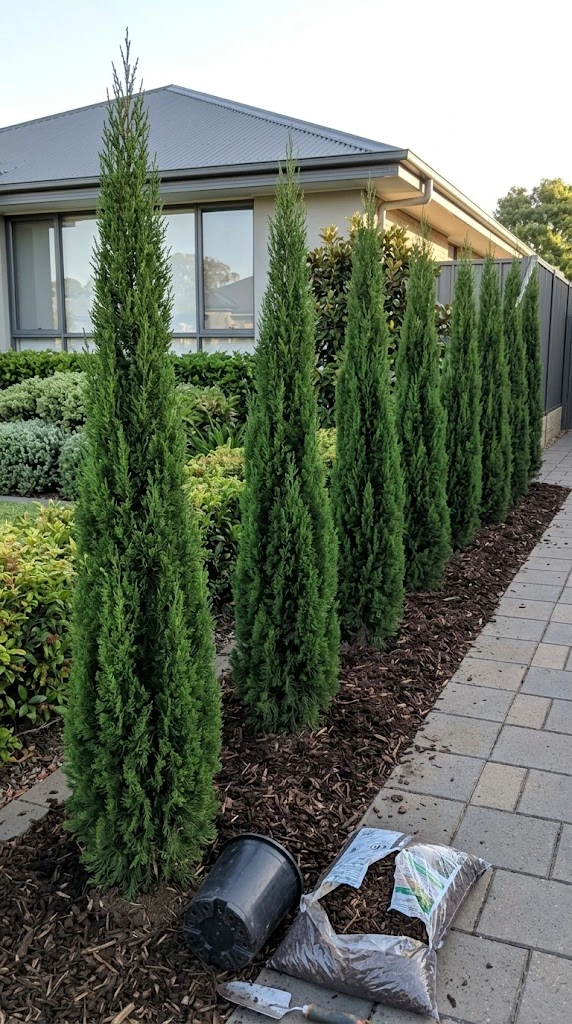
Architects and home builders in Georgia frequently choose Cupressus Pyramidalis to create formal hedges, grand entrance avenues, or windbreaks. Architectural uniformity and rapid establishment are crucial.
Field-grown cypresses often enter a 12 to 24 month "dormancy pause" while struggling to rebuild lost roots. In windy areas like the Tbilisi basin or Shida Kartli, poorly rooted field-dug trees can easily lean or suffer wind-throw. Container-grown trees hit the ground running: they establish structural anchor roots immediately, maintain uniform growth rates across all units, and reach full architectural height much faster.
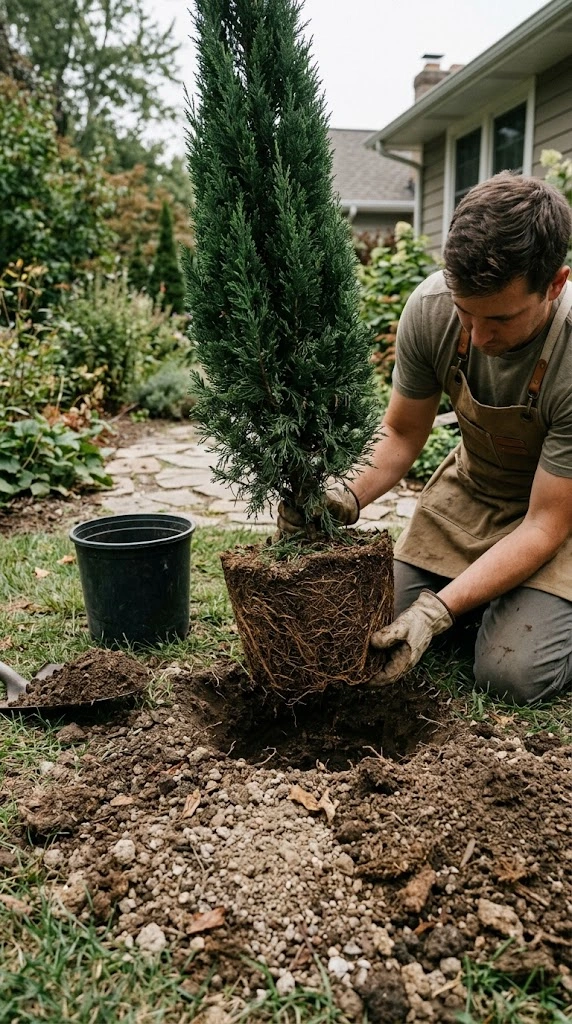
While Italian Cypress thrives in well-draining soils, much of Georgia’s natural ground (from the heavy, compacted clay around suburban Tbilisi to the chalky, high-pH limestone soils of Eastern Georgia) presents challenging conditions for raw root systems.
Container-grown trees come rooted in an optimized, well-draining substrate rich in organic material and aggregates. This specialized growing media acts as a protective buffer zone, keeping moisture balanced and allowing roots to gradually acclimate and penetrate native soil without suffocating or developing root rot during heavy seasonal rains in Adjara or Kartli.
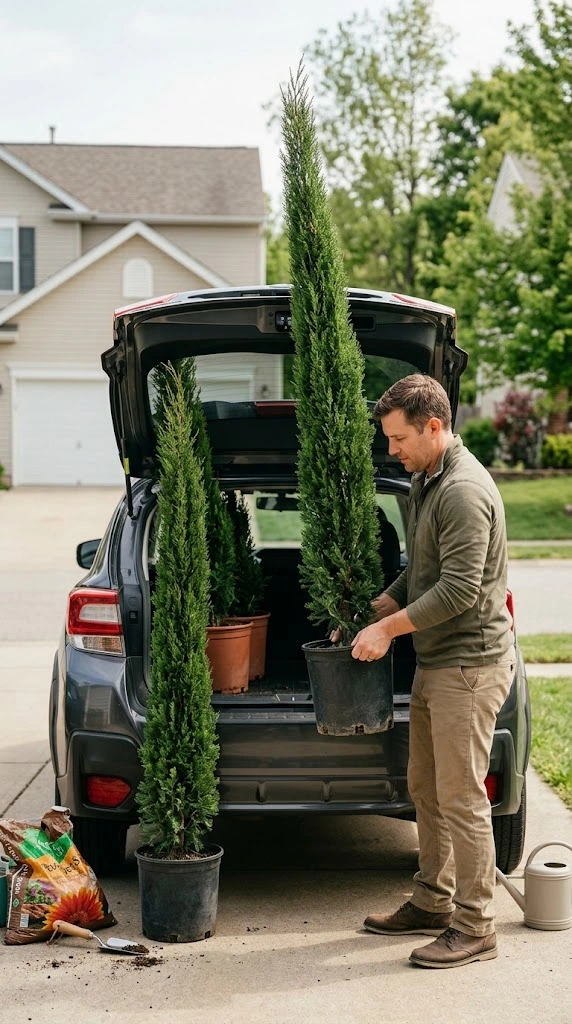
Transporting large landscape plants across long distances (whether from nurseries to private estates in Kakheti or coastal properties along the Black Sea) exposes trees to harsh drying winds and mechanical vibration along highway routes.
Containerized pots shield the root core against wind desiccation, root compression, and handling damage during transit and unloading. Potted cypress trees are easier for landscaping crews to maneuver across complex or sloped residential construction sites, ensuring every tree arrives in pristine condition ready for installation.
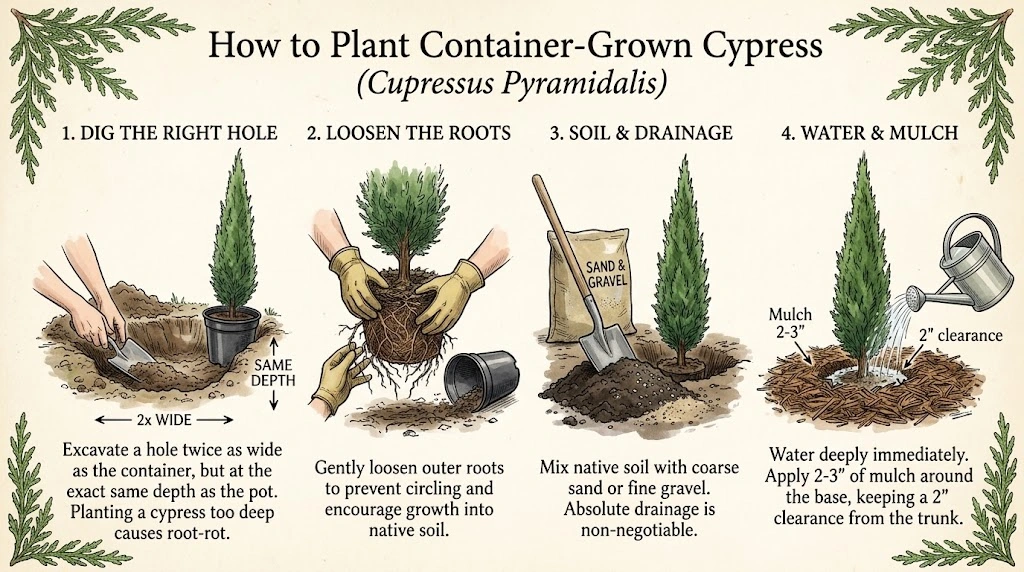
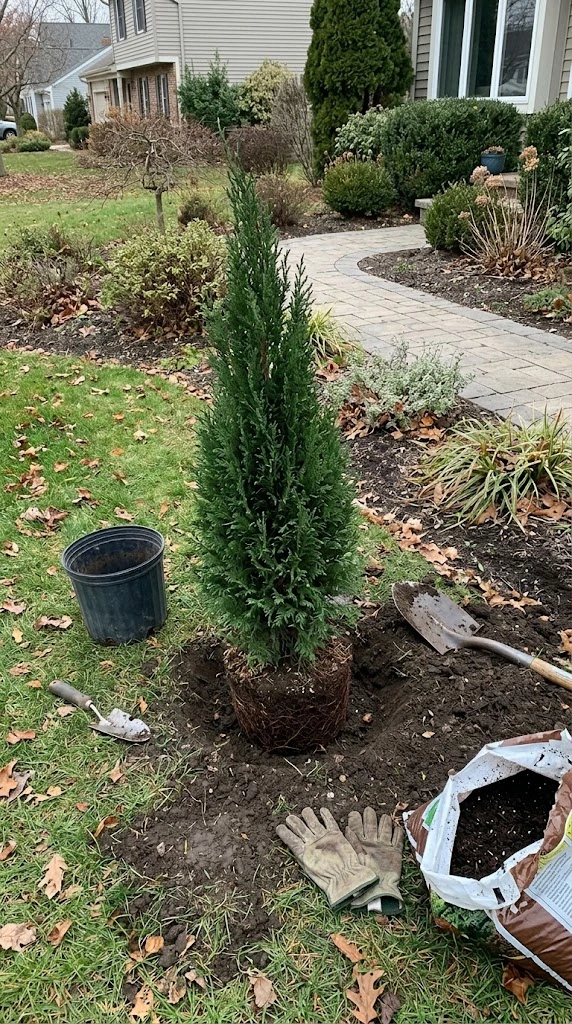
To ensure your investment prospers for decades, follow these four foundational steps:
Yes, and this is the main advantage of container-grown trees. Because the root system is 100% intact and undisturbed inside its original soil ball, containerized cypress experiences virtually no transplant shock.
While traditional field-dug trees will struggle or fail if planted in July or August, a potted cypress can be safely installed year-round in Tbilisi, Kakheti, or along the coast, provided you maintain regular watering during the first few weeks.
Once established, Cupressus Pyramidalis is a relatively fast grower, typically adding 30 to 50 centimeters of height per year depending on soil and water conditions.
Container-grown specimens bypass the 12 to 24 month dormancy pause that field-harvested trees experience, meaning they start growing vigorously during their very first season in your garden.
Wind stability depends heavily on root establishment. Field-dug trees often suffer from root loss, making them vulnerable to leaning or wind-throw during heavy seasonal gales in the Tbilisi basin.
Container-grown cypress retains its dense, heavy root mass, allowing it to anchor securely into native soil immediately. For extra stability in exposed areas, stake the tree loosely with soft ties for its first growing season.
To create a dense, unbroken privacy hedge or green wall along your property line, space your container-grown Cupressus Pyramidalis trees approximately 1 to 1.5 meters apart from center to center.
This allows adequate root and canopy development without overcrowding as the trees mature into their signature narrow, vertical columns.
Georgian soils can vary significantly, ranging from heavy clay around Tbilisi to dry, rocky ground in eastern regions.
While containerized cypresses come in an ideal pre-conditioned soil mix, you should dig a hole twice as wide as the pot and loosen the surrounding earth. If your native soil retains too much moisture, mix in coarse sand or fine gravel to guarantee optimal drainage around the root zone.
More articles to help your garden thrive. Knowledge, inspiration, and practical guides for every season.

Our comprehensive guide helps you identify poisonous garden plants and shares practical tips for creating a safe, non-toxic outdoor space for kids and pets.